
Living a healthy lifestyle is not about obsessively counting calories, because let’s be honest, no one wants to spend their life doing math equations with food. Embracing a holistic approach to wellness involves embracing a balanced and varied diet, regular physical activity, and nurturing our mental and emotional well-being. Calorie counting can be a useful tool for some individuals, especially those working toward specific health goals, but it shouldn’t consume our entire existence or become the sole focus of our efforts.
Instead of fixating on one aspect of our health, it’s time to embrace a more inclusive mindset. Countless studies have shown that five key factors play a substantial role in living a healthy lifestyle. It’s important to prioritize our health because as they say, health is wealth.
By adopting healthy habits and making conscious choices, we can improve our quality of life and prevent many chronic diseases. Making small changes consistently over time is key. Start with one aspect and gradually incorporate others, and before you know it, you’ll be on your way to a healthier lifestyle.

Maintaining a healthy lifestyle means introducing habits that improve your health and quality of life. That can mean different things to different people and is personal to everyone.
For one person, that may mean doing yoga, eating out once a week, and spending time with loved ones. For someone else, a healthy lifestyle may be doing HIIT workouts, following a keto diet, and having one drink a week of alcohol. Maintaining a healthy lifestyle is like having your own customized “Me Party,” where you get to pick and choose what makes you feel amazing.
The good thing is that you get to decide what a healthy lifestyle is as long as you are mindful of these 5 areas.
Importance of a Healthy Lifestyle
The World Health Organization defined health as ‘A complete state of mental, physical and social well-being not merely the absence of disease.’ Scientific evidence shows our lifestyles play a huge part in how healthy we are. Here are some benefits of having a healthy lifestyle.
- Improvement of physical health – Benefits include improving your quality of life.
- Improvement of mental health – A healthy lifestyle can positively impact your mental and emotional health.
- Prevent diseases and health issues – Healthy habits can reduce the risk of various diseases, including those that may be generational and cardiovascular diseases.
- Save money – A healthy lifestyle reduces the chances of spending money on costly prescriptions and other medical treatments.
Healthy living includes your eating habits, activity levels, and how you manage stress and prioritize your mental health. Making small changes can lead to significant improvements in overall well-being.
5 Factors of a Healthy Lifestyle
1) Balanced Diet
A balanced healthy diet is a diet that contains a variety of foods from all the major food groups, including fruits, vegetables, grains, and proteins. Having variety gives your body the nutrients it needs to work effectively, and reduces the risk of heart disease and high blood pressure.
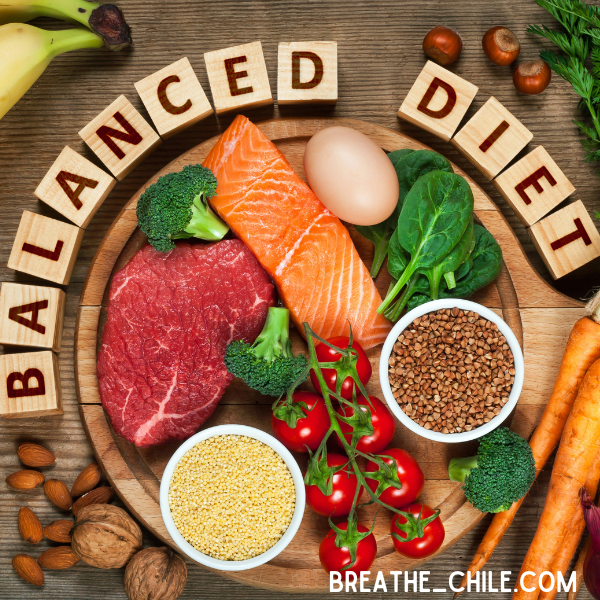
Both men and women should avoid fast food and processed foods high in unhealthy fats, sugar, and sodium. Focus on whole foods and healthier choices for a healthier lifestyle.
Tips to get a balanced diet
- Eat more fruits and vegetables and aim for a variety of colors.
- Limit processed foods because they often include unhealthy levels of added sugar, sodium, and trans fat.
- Limit refined carbs because they are linked to increased heart disease and type 2 diabetes risk. Refined carbohydrates are sugars and grains stripped of all the bran, fiber, and nutrients.
- Eat in moderation and try not to stuff yourself during any meal.
2) Rest
Equally important is getting enough restorative sleep. Sleep plays a vital role in repairing and refreshing our bodies and minds. Aim for at least 7-9 hours of quality sleep each night to promote overall well-being.

When you are sleep-deprived, your body can’t rebuild and recharge properly. Rest is as necessary to a healthy lifestyle as the water we drink and the air we breathe. Basically, your body needs rest.
Tips to get more rest
- Create a sleep schedule and set aside at least 6 – 8 hours of restful sleep.
- Create a relaxing environment by having your room at a comfortable temperature and a calming ambiance.
- Limit food and drinks before going to bed.
3) Exercise
When it comes to physical health, regular exercise plays a vital role. Engaging in physical activities such as walking, jogging, or participating in sports not only helps us maintain a healthy weight but also strengthens our muscles and improves cardiovascular fitness.

Regular exercise improves your quality of life and gives you the ability to enjoy things as you get older. It is important to think about the future at any age. The earlier you start exercising in life, the more your body will reward you as you get older. Investing in your health, is the ultimate self-care.
Being active for at least 30 minutes a day strengthens our muscles, improves heart health, and boosts our metabolism.
Tips to get exercise
- Think about fun ways you can get active such as dancing or rock climbing.
- Sign up for a streaming workout video service to give you a mixture of workouts to try to combat boredom.
- Do 2 – 3 ten-minute workouts throughout the day to boost your heart rate and make small gains.
4) Mental health
Mental and emotional well-being are equally important. It’s important to prioritize self-care and engage in activities that boost relaxation and reduce stress. Things like practicing mindfulness or meditation, reading a book, spending time in nature, or finding a hobby. Taking care of our mental health allows us to better cope with challenges and maintain a positive outlook on life.

Mental health includes our emotional, psychological, and social well-being and helps determine how we handle stress. Focusing on mental health can increase productivity, enhance our self-image, and improve relationships, all of which are a part of a healthy lifestyle.
Tips for managing your mental health
- Practice self-care regularly and make yourself a priority.
- Allow yourself to disconnect from electronics and social media.
- Engage in activities that provide meaning, like volunteering.
- Practice meditation and/or mindfulness.
- Stop and smell the roses and remember to Breathe Chile.
5) Avoiding the use of alcohol, drugs, and tobacco
The damage to your body and brain from alcohol and drug abuse can negatively affect your health and well-being. Smoking causes cancer, heart disease, stroke, lung disease, and diabetes. All of which are the opposite of a healthy lifestyle.

Tips to prevent substance abuse
- Talk to a professional – A professional will provide you with healthy coping skills to alleviate your mental health symptoms without turning to drugs and alcohol.
- Try to find balance in your life – Practicing stress management skills can help you overcome these life stressors and will help you find balance.
In addition to physical activity, healthy eating, and self-care, it’s also essential to maintain social connections. Building and nurturing relationships with family, friends, and the community provides us with a support system and a sense of belonging. Engaging in social activities and meaningful conversations can significantly contribute to our mental and emotional well-being.
Creating balance in our lives is integral to wellness and a healthy lifestyle. Balance means ensuring we have time to do the things that make us feel happy and fulfilled, including having a purpose, having fun, spending time with family and friends, participating within your community, being physically active, relaxing, and sleeping, praying, and mediating.
Things to think about
- Improve your diet by setting small goals for small changes every day.
- Try getting regular physical activity and make it fun.
- Try getting 6 to 8 hours of sleep a night.
- Be mindful of triggers that make you want to abuse substances and have a plan to help you avoid those un-serving habits.
- Visit your doctor, dentist, or other health care provider for routine care and monitoring.
Lastly, don’t forget the impact of our environment on our health. Creating a clean and safe living environment, both at home and at work, helps minimize exposure to pollutants and toxins. This includes maintaining good hygiene practices and ensuring proper ventilation and air quality.
By including these various elements in our lifestyle, we can significantly improve our overall well-being and enjoy a healthier, more fulfilling life. So let’s take charge of our well-being and embrace a healthy lifestyle!
Download your Healthy Lifestyle Program Guide click here
Comment below what resonated most with you.

18 Responses