
Everyone experiences stress to some extent. It is a normal human reaction, and the human body was created to experience stress and react to it. However, how you respond to stress can have a deep effect on your overall well-being. Embracing stress as a chance for growth and finding effective ways to cope can lead to positive results and improve your overall sense of well-being.
Managing stress also involves acknowledging and addressing the role of stress hormones in our bodies. These hormones, such as cortisol, are released during times of stress and can have mixed effects on our health. Chronic stress can lead to an imbalance in stress hormones, which can contribute to a range of health problems, including a weakened immune system, sleep disturbances, and digestive issues.
Therefore, finding healthy ways to reduce stress is crucial for maintaining a healthy lifestyle.
Signs of Stress
Stress affects every aspect of your life, including your emotions, behaviors, thinking ability, and physical health. Long periods of stress can lead to emotional, physical, mental, and behavioral symptoms.
When we experience stress, our bodies respond both physically and psychologically. One common physical response is muscle tension, where our muscles tighten, causing discomfort and possibly pain. This can be relieved through relaxation techniques like stretching, deep breathing exercises, or practicing yoga.
Another physical stress response is an increase in heart rate. When we’re stressed, our bodies release stress hormones like adrenaline, which makes our heart beat faster. This increased heart rate is part of our body’s natural “fight or flight” response, preparing us to confront or escape from possible threats. However, long periods of increased heart rate because of chronic stress can have negative effects on your heart.
Emotional symptoms of stress include:
- Becoming moody
- Feeling overwhelmed
- Having a hard time relaxing and quieting your mind
Physical symptoms of stress include:
- Low energy
- Headaches
- Upset stomach, including diarrhea, constipation, and nausea
- Chest pain and rapid heartbeat
- Insomnia
- Hypertension (High Blood Pressure)
Cognitive symptoms of stress include:
- Constant worrying
- Racing thoughts
- Forgetfulness and disorganization
- Inability to focus
- Poor judgment
- Being pessimistic or seeing only the negative side
Behavioral symptoms of stress include:
- Changes in appetite which can result in weight gain or weight loss
- Procrastinating and avoiding responsibilities
- More use of alcohol, drugs, or cigarettes
- Having more nervous behaviors, such as fidgeting, and pacing
Be mindful and self-aware of when you are feeling stressed, and know when it is time to seek stress relief.
Types of Stress
Not all stress is necessarily a bad thing. Things such as a significant event or an important deadline to meet can be considered stressful but in a “good” way. This is why there are three different types of stress: acute, episodic, and chronic stress.
Acute Stress – Despite the name, there is nothing cute about it. It is the most common stress and is usually brief. It can happen when you are preparing for a job interview, going to the doctor, or anticipating major life events like a wedding or childbirth.
Episodic Stress – People who frequently suffer episodic stress often live a life of chaos and crisis. They are always in a rush or feel pressured. They take on many responsibilities, and usually cannot stay organized.
Chronic Stress – Chronic stress is described as ongoing and constant stress with little to no relief and is the most harmful type of stress. If left untreated over a long period, it can significantly and irreversibly damage your physical and mental health.
Impact of Stress
Typically, after a stressful event occurs, your body should relax. Too much constant stress can have damaging effects on your long-term health. Continuous chronic stress can cause or worsen the following health problems:
- Mental health problems, such as depression, anxiety, and personality disorders
- Cardiovascular disease, including heart disease, high blood pressure, abnormal heart rhythms, heart attacks, and strokes
- Obesity and other eating disorders
- Skin and hair problems, such as acne, psoriasis, and eczema, and permanent hair loss
- Gastrointestinal problems, such as GERD, gastritis, ulcerative colitis, and irritable colon
How to Relieve Stress
Although stress is unavoidable, it can be manageable. Try these 5 tips to help you relieve stress in your life.

Exercise helps relieve stress and calm the mind by boosting the brain’s happiness chemical called endorphins. Regular exercise has also been associated with greater resilience to acute stress and may lower negative health effects associated with stress, such as high cortisol.
Stress Reliever: Just 20 minutes of low to moderate-intensity exercise daily can help control and prevent stress symptoms.

We all have the same 24 hours in a day, but how we spend that time can greatly affect our stress levels. Learning what you absolutely must do yourself and what you can delegate is an effective stress reliever. When I realized my kids were finally old enough to do their fair share around the house and I didn’t have to do everything, I could relieve some daily stress from my life.
Stress Reliever: For the next three days, note all your tasks at work, home, and beyond, and note which tasks you can delegate to someone else. Realize you don’t have to do everything, and with that teamwork makes the dream work!
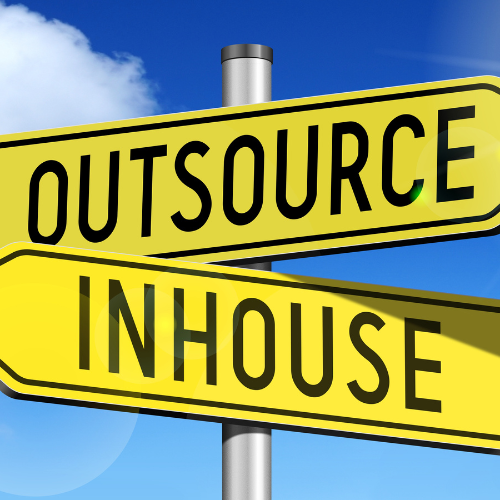
To take delegation even further, learning how to outsource can be a great stress reliever. I love a clean house, but I don’t love spending half the day cleaning my house. So, I outsourced it, and now I have my sanity and a sanitized home.
According to Calmpreneur, “When your to-do list is growing rapidly, and there aren’t enough hours in the day to get things done. Lack (or perceived lack) of time is a huge cause of stress and anxiety.”
Stress Reliever: Document all the things on your to-do list you don’t like doing and can have someone else do, and then hire them to do it.

Redirecting your attention is an excellent way to relieve stress. With today’s stressful lifestyles, it’s important to have time that you take to do something just for the fun of it as part of your self-care. There are many benefits of having good old fun, and it’s one of the best ways to relieve stress.
Stress Reliever: While there are many great hobbies to choose from, this is a list of hobbies that are particularly useful in relieving stress:
- Gardening – Gardening can be a great stress reliever because it gets you into the sunshine and fresh air while creating more beautiful surroundings around your home.
- Photography – Taking pictures allows you to practice seeing the world through a photographer’s eye and may help you begin to see things differently, helping to relieve stress.
- Scrapbooking – Scrapbooking offers a break from what stresses you to create something beautiful that others can enjoy.
- Puzzles – Engaging your mind in a puzzle can take your focus off what’s stressing you and develop your brain power simultaneously.
- Painting – Get in touch with your artistic side to process emotions, distract yourself, and achieve other stress management benefits.
- Journaling – Writing is a hobby that can be cathartic and relaxing and provides something great to share with others.
Focused, deep breathing is a helpful practice that promotes self-awareness and can reduce stress and worry. When we do deep breathing exercises, we bring our attention away from racing thoughts and focus on the rhythm of our breath, allowing us to be more present in the moment.
This simple act of mindfulness has the power to calm our nervous system, slow down our heart rate, and relax our muscles. When we take slow, deep breaths, our body receives more oxygen, which helps to soothe our minds and bring a sense of clarity and peace.
BREATHING TECHNIQUE FOR STRESS
Deep breathing is a helpful technique for controlling emotions and achieving relaxation. By taking slow, deep breaths and focusing on the sensation of air filling the lungs, tension and worry can be released.
Regular practice of breathing and meditation can effectively manage stress, with a daily meditation of 10 to 30 minutes greatly improving stress levels. Embracing this mindful practice can lead to a calmer and more centered state of being.
The 5-4-3-2-1 Coping technique
The 5-4-3-2-1 coping technique for stress allows people to refocus their minds on the present moment and stop fixating on stressful thoughts by using their five senses: sight, touch, hearing, smell, and taste. Start by taking a few slow, deep breaths and following these five steps to use this technique.
Step 5
Look for and notice FIVE things you see around you. Examples: A person, place, or thing, like a pen on your desk.
Step 4
Look for and notice FOUR things you can touch around you. Examples: The ground under your feet, your hair or your clothes.
Step 3
Look for and notice THREE things you can hear. Examples: Music, people talking nearby, or birds chirping.
Step 2
Look for and notice TWO things you can smell. Examples: Your clothes, food, a pencil on your desk, or soap in your bathroom.
Step 1
Look for and notice ONE thing you can taste. Examples: Coffee, gum, or a sandwich from lunch.
It takes time to learn how to manage your stress because everyone is different. What works for one person, might not work for someone else, and that is okay. Be patient while you learn what works for you.
Having a support system in place can make a significant difference in how we cope with stress. Whether it’s a friend, family member, or a support group, having someone to talk to and lean on during challenging times can provide much-needed emotional support and perspective. They can offer empathy, and advice, or simply be there to listen when we need to vent or express our feelings.
In conclusion, stress is a normal part of life, but how we respond to it matters. Embracing stress as an opportunity for growth, finding effective ways to cope, and taking care of our body and mind can help us navigate stressful situations with resilience. Remember, you’re not alone in this journey, and relying on the support of others can provide valuable guidance and comfort along the way.
What kind of coping mechanisms do you use? Let us know in the comments below!

5 Responses