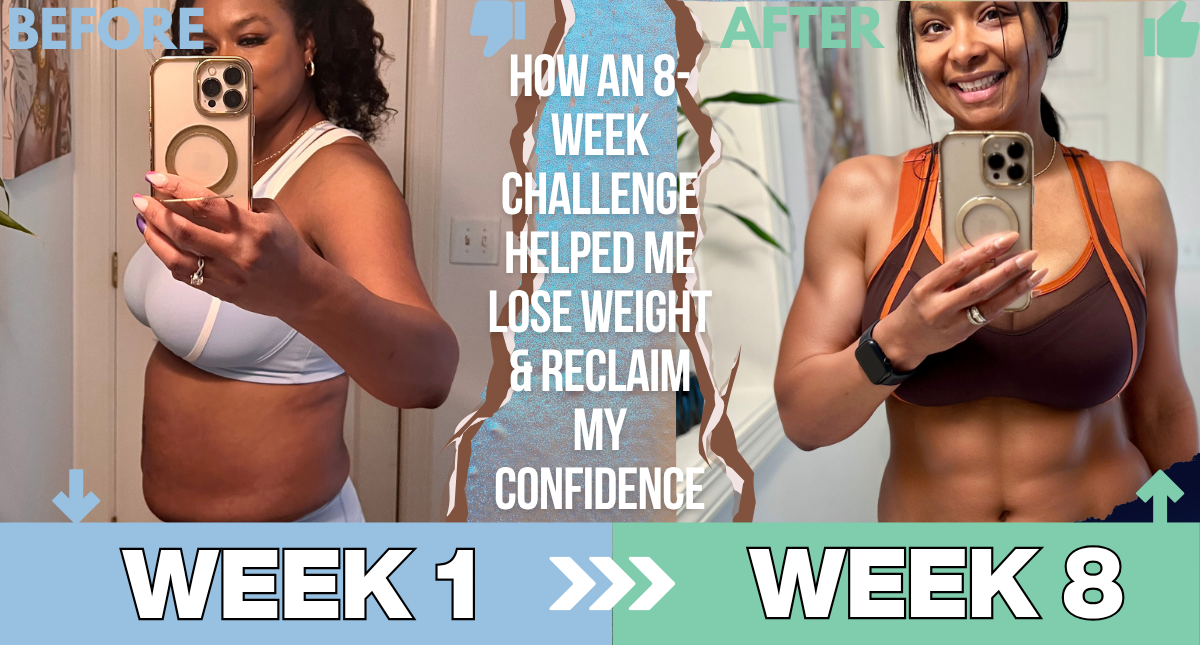
What started as an eight-week fitness challenge turned into a 16-week journey that helped me lose 15 pounds, change my habits, and, most importantly, reclaim my confidence.
And chile, I needed every bit of that transformation.
If you’ve been following Breathe Chile for a while, you know I’ve always shared the good, the bad, and the downright frustrating parts of my health and fitness journey.
Toward the end of last year, I hit a rough patch. I’d fallen out of my routine, lost my consistency, and honestly wasn’t feeling like myself.
I needed to clear my head, get focused, and find my way back.
Then something unexpected happened.
BODi selected me to participate in an exclusive test group for its new 25-Minute Speed Train program.
The timing couldn’t have been better.
I wasn’t looking for another quick fix. I needed structure, accountability, and something that would remind me why I started this journey in the first place.
What I didn’t expect was how much the experience would change my mindset.
Yes, I lost weight. Yes, my body changed.
But the biggest transformation happened in how I started thinking about myself.
Here’s what I did, what worked, what challenged me, and what I learned over two rounds of the eight-week fitness challenge.
Disclosure: Some links on Breathe Chile may be affiliate links. If you make a purchase through one of these links, I may earn a small commission at no additional cost to you. Thank you for supporting Breathe Chile.
My Fitness Transformation Results: 16 Weeks, Two Challenges
Before getting into the details, let’s talk about my results.
I completed two rounds of the BODi 25-Minute Speed Train eight-week challenge, for a total of 16 weeks.
Here’s what I reported at the end of my journey:
| My transformation | Results |
|---|---|
| Program | BODi 25-Minute Speed Train |
| Length of each round | 8 weeks |
| Total journey | 16 weeks |
| Weight lost | 15 pounds |
| Inches lost | 20 inches, as reported in my original article |
| Workout duration | 25 minutes |
| Workout frequency | 6 days per week during the test group |
| Nutrition approach | BODi 2B Mindset |
| Biggest personal win | Regaining my confidence and consistency |
These are my personal results, not a guarantee of what someone else will experience.
And here’s something I want to make clear: I didn’t lose all 15 pounds in the first eight weeks. My total weight loss came from completing two eight-week rounds.
But even those numbers don’t tell the whole story.
My jeans started fitting differently. I was lifting heavier. I could see more muscle definition. And I finally started feeling like myself again.
Those changes meant just as much to me as the number on the scale.
What Was the BODi 25-Minute Speed Train Challenge?
The test group had a few straightforward requirements.
First, we committed to completing the program’s 25-minute strength workouts six days a week.
Second, we followed one of BODi’s nutrition approaches: Portion Fix or 2B Mindset.
And third, we agreed not to drink alcohol during the program. That last requirement was easy for me because I’d already made the personal decision to quit drinking alcohol as part of my wellness journey.
The workouts were short, but they were challenging. And the accountability was exactly what I needed.
Being part of a test group meant I had people expecting me to show up, people cheering me on, and people who understood what I was going through.
That support made a bigger difference than I anticipated.
Why I Chose 2B Mindset Instead of Another Diet
I’ve tried enough approaches to healthy eating to know that I don’t want to spend the rest of my life obsessing over every bite. I wanted something realistic.
That’s why I chose BODi’s 2B Mindset nutrition program.
Created by Ilana Muhlstein, 2B Mindset focuses on developing a more mindful relationship with food and making practical nutrition choices.
What appealed to me was the flexibility.
I could enjoy meals, attend social events, and make adjustments without feeling like one imperfect day meant I’d ruined everything.
For me, that was important. I wasn’t interested in following another restrictive diet that I’d eventually abandon.
I wanted habits I could maintain after the challenge ended. And that’s where the real work began.
Five Things That Helped Me Transform My Fitness Routine
Looking back, five changes made the biggest difference.
None of them involved a magic supplement, an extreme workout schedule, or a secret weight-loss trick.
They were simple changes that I finally started practicing consistently.
1. I Stopped Saying I Didn’t Have Time to Exercise
This was a big one for me.
Between work, raising a family, and managing everything that comes with everyday life, I always had a reason why I couldn’t fit in a workout.
But when I joined the test group, I had to commit to 25 minutes a day.
Twenty-five minutes!
That’s less time than I can spend scrolling through social media without even realizing it.
Once I looked at it that way, my excuses didn’t sound nearly as convincing.
I started getting my workouts done first thing in the morning.
I’ve learned that the longer I wait, the easier it becomes to talk myself out of exercising.
Before the kids needed something, before work emails started coming in, and before the day got away from me, I made time for myself.
And something interesting happened.
Those 25 minutes became something I looked forward to.
I wasn’t just checking a workout off my list. I was starting my day feeling accomplished, stronger, and more energized.
I also realized that a shorter workout doesn’t automatically mean an ineffective workout. A well-designed strength-training session can be productive without taking hours.
What I learned: Find a realistic amount of time you can consistently dedicate to movement. It doesn’t have to be 25 minutes, and it doesn’t have to be every day. Start with what works for you.
2. I Got Honest About My Eating Habits
I didn’t starve myself or eliminate entire food groups during this challenge.
Instead, I became more intentional about what I was eating.
I focused on getting enough protein, eating more fiber, and reducing added sugar.
During the challenge, I personally aimed for approximately 150 grams of protein and 25 grams of fiber most days.
Those were my individual targets, not recommendations that everyone needs to follow.
And because I’ve never been much of a breakfast person, I had to figure out an eating routine that worked for me.
My Morning Protein Coffee Ritual
I’ve been an early riser for as long as I can remember, but eating a big breakfast first thing in the morning?
No, thank you.
Even as a kid, eating before school would sometimes make me feel queasy.
So after my morning workout and getting the kids out the door, I made what I affectionately call my protein coffee.
My usual combination included:
- My favorite Nespresso coffee pod
- Creatine
- Collagen
- Stevia
- A splash—or four—of creamer
Depending on how much creamer I used, it typically came to around 150–200 calories.
And listen, I’m not giving up my morning coffee.
It’s more than a drink. It’s my little moment of peace before the workday begins.
My Go-To Protein-Packed Breakfast

Around noon, I’d have what I call my second breakfast.
Sometimes it’s lunch. It depends on the day!
One of my favorite meals included a whole egg, egg whites, cottage cheese mixed into the eggs, sourdough toast with mashed avocado, and fresh berries with Greek yogurt.
It was filling, satisfying, and packed with protein.
The original meal came to approximately 400 calories and 30 grams of protein, depending on portions and ingredients.
And the best part? I genuinely enjoyed eating it.
Snacks That Helped Me Stay Consistent
When I needed something quick, I’d often reach for BODi Shakeology or Recover.
One of my favorite combinations was orange whey Recover mixed with sparkling water.
It reminded me of a refreshing soda.
At night, when I wanted something sweet, I’d sometimes blend Shakeology with ultra-filtered milk and ice.
The texture reminded me of ice cream.
Those products were convenient for me, but they’re not required for a healthy eating routine.
What mattered was finding foods and snacks that I enjoyed and that supported my goals.
Keeping Dinner Simple
Dinner was usually a lean protein like chicken, salmon, or tofu paired with a big salad.
I’d add things like hemp seeds, chopped nuts, and a flavorful dressing.
Nothing complicated.
I wasn’t trying to create restaurant-quality meals every night. I was trying to build a routine I could maintain.
What I learned: Healthy eating doesn’t have to mean being hungry, miserable, or afraid of your favorite foods. Focus on balanced meals and habits you can realistically sustain.
3. I Started Measuring Progress Beyond the Scale

Let’s talk about the scale. Because chile, that thing almost had me ready to throw in the towel.
During my first eight-week round, there were several weeks when my weight stopped moving.
Actually, it started creeping up. And I was crushed.
I was putting in the work. I was following the program. I was showing up every day.
So why wasn’t the scale cooperating?
I started questioning myself.
I felt defeated, and I was even worried that I was letting my test group down.
Eventually, I opened up to my teammates about how I was feeling.
The response was overwhelming.
They encouraged me, reminded me how far I’d come, and helped me see what I couldn’t recognize in that moment.
I remember sitting there in tears because I felt so supported.
And thank goodness I didn’t quit.
Because while the scale wasn’t moving the way I wanted, other things were happening.
My clothes were fitting differently. I had more energy. I was lifting heavier. I could see more definition in my muscles.
And perhaps most importantly, when I looked in the mirror, I actually liked what I saw.
I was making progress. It just wasn’t showing up in the one place I’d been obsessing over.
Eventually, the number on the scale started moving again.
But by then, I’d learned a lesson I won’t forget.
The scale is one way to measure progress. It isn’t the only way.
What I learned: Pay attention to your strength, endurance, energy, clothing fit, and how you feel. Those victories matter, too.
4. I Stopped Chasing Perfection and Started Focusing on Consistency
Some weeks, I felt unstoppable.
I had energy, motivation, and everything seemed to fall into place.
Other weeks? Chile, I had to talk myself into every workout.
There were days when I didn’t feel motivated. Days when I was tired. Days when I wondered whether all the effort was worth it.
But I kept showing up.
Not because I suddenly became someone who loves every workout. And definitely not because every day was easy.
I kept going because I’d made a commitment to myself.
And for once, I wasn’t going to let a difficult day convince me that I’d failed.
That’s probably the biggest difference between this challenge and some of my previous attempts to get back on track.
I stopped expecting the process to be perfect.
I understood that progress could be slow, inconsistent, and sometimes frustrating. But it was still progress.
Over time, my habits started feeling less like something I was forcing myself to do and more like part of my everyday life.
That was the transformation I really needed.
What I learned: You don’t have to feel motivated every day to stay committed. And when you need rest or an adjustment, that doesn’t mean you’ve failed.
5. I Found a Fitness Community That Held Me Accountable
I didn’t realize how much I needed the support of other women until I joined this test group.
There’s something powerful about being surrounded by people who understand what you’re working toward.
We encouraged each other. We celebrated milestones. We talked through setbacks.
And when someone was struggling, the rest of the group showed up.
I experienced that firsthand during my weight-loss plateau.
Instead of feeling like I had to figure everything out alone, I had people reminding me that I was capable of more than I realized.
That kind of encouragement matters. Especially when you’re trying to rebuild your confidence.
The group helped me stay accountable, but it also reminded me that fitness doesn’t have to be a solo journey.
What I learned: Find your people. It might be a fitness group, a workout partner, a coach, or a friend who checks in on you. Having support can make the difficult days easier.
What My 16-Week Fitness Transformation Taught Me

When I look back at my results, I’m proud of the 15 pounds I lost.
I’m proud of the changes in my measurements. And I’m proud of the strength I gained.
But I’m even more proud that I didn’t give up on myself.
I started this challenge feeling disconnected from the version of myself I wanted to be.
By the end, I felt stronger, more focused, and more confident.
And it wasn’t because I finally reached some magical number on the scale.
It was because I proved to myself that I could make a commitment and follow through.
I could get through a plateau. I could have difficult days without abandoning my goals.
And I could create healthier habits without expecting perfection.
That’s the part of this experience I want to hold on to.
Can You Get Results With 25-Minute Strength Workouts?
For more options that fit a packed schedule, here are my tips on getting fit and staying strong when life gets busy.
One of the biggest things I learned was that you don’t necessarily need hours in the gym to make progress.
Twenty-five minutes worked well for my schedule and helped me build consistency.
But the results someone experiences will depend on many factors, including their starting fitness level, workout intensity, nutrition, recovery, health, and individual circumstances.
A short workout can still be challenging and effective when it’s designed appropriately.
And while I followed a six-day program during the test group, that doesn’t mean everyone needs to train six days a week.
If you’re starting out, begin at a level that feels manageable and give yourself time to recover.
For more ideas about building a realistic routine, read my Fall Fitness Reset for Women Over 40.
How to Start Your Own Fitness Reset
If you’re reading this and thinking, “I need to get myself back together,” here’s what I want you to know.
You don’t have to change everything tomorrow. And you don’t need to join an eight-week challenge to start making healthier choices.
Start with a few manageable steps:
- Choose a realistic workout schedule. Find a routine that fits your current life rather than the life you wish you had.
- Make your meals more balanced. Focus on nourishment instead of punishment.
- Track more than your weight. Notice changes in strength, energy, mood, and confidence.
- Expect setbacks. One difficult week doesn’t erase everything you’ve accomplished.
- Find support. Surround yourself with people who encourage you to keep going.
You can also explore my article on five healthy lifestyle habits that actually make a difference for more ways to build a sustainable wellness routine.
Want to Try BODi?
If you’re interested in exploring BODi’s workouts and nutrition programs, you can learn more through my affiliate link.
The original article also included promo code KENDRAABODI15. Check the current offer terms before relying on any advertised discount.
You don’t have to follow the exact program I completed to start improving your fitness.
Find something you enjoy, make it work for your schedule, and build from there.
Affiliate disclosure: I may earn a commission from qualifying purchases made through my BODi links at no additional cost to you.
Frequently Asked Questions About My Fitness Challenge
Did you lose 15 pounds in eight weeks?
No. My total reported weight loss was 15 pounds over 16 weeks, which included two rounds of an eight-week BODi fitness challenge.
What workouts did you do?
I participated in BODi’s 25-Minute Speed Train test group. The program involved 25-minute strength-training workouts six days per week.
What nutrition plan did you follow?
I chose BODi’s 2B Mindset program. I focused on balanced meals, protein, fiber, and becoming more intentional about my food choices.
What was the hardest part of the challenge?
For me, it was dealing with a weight-loss plateau and learning not to let the scale determine how I felt about my progress.
What was your biggest result?
Losing weight was exciting, but regaining my confidence and building consistency were the most meaningful changes.
Final Thoughts: I Lost Weight, but I Gained Something More Important
This experience reminded me that sometimes the biggest transformation isn’t physical.
It’s mental. It’s learning to trust yourself again.
It’s showing up when you don’t feel like it.
It’s giving yourself grace when things aren’t going according to plan.
And it’s realizing that your progress is worth celebrating, even when it doesn’t look the way you expected.
I started this challenge wanting to feel better about my body.
I finished it feeling better about myself.
And that’s a win I’ll take any day.
If you’re working toward your own health and fitness goals, I hope my story encourages you to keep going.
Not because your journey will look exactly like mine.
But because you deserve to feel strong, healthy, and confident in your own way.
Consistency over perfection. Always.
Let’s Talk
Have you ever hit a fitness plateau that made you want to give up?
Or have you experienced a transformation that changed more than your physical appearance?
Tell me about it in the comments.
And if you’d like a little extra motivation and community, you’re welcome to connect with me on Facebook.
Move • Read • Breathe.
#MoveReadBreathe
Disclosure: Some links on Breathe Chile may be affiliate links. If you make a purchase through one of these links, I may earn a small commission at no additional cost to you. Thank you for supporting Breathe Chile.

2 Responses