Trigger warning: I realized that there’s very frank talk about body fat in this post. Many people come here because they’re healing from different mental health and body image challenges. Please take care of yourself in the most responsible way possible, and if that means skipping this post, I encourage you to do so.
Excuse my French, but this post is about the F word, FAT. It’s not just about being overweight but the actual fat cells that we all have in our bodies. An average person has between 25 and 35 billion fat cells. This number can increase to as many as 100 to 150 billion cells in times of excessive weight gain.
Having too much fat on your body can be detrimental to your health. I learned that the hard way when I was diagnosed with non-alcoholic fatty liver due to an unhealthy accumulation of fat on my liver, and my mid-section. I was able to cure the disease and start my fat loss journey.
We may earn compensation through affiliate links in this story as an Amazon Associate.
Fat Basics
Fat is the jiggly stuff that sits beneath the skin’s surface and makes dimples in your thighs. It also increases the risk of serious health problems, especially if the fat accumulates around your internal organs. The human body contains two types of fat tissue:
- White fat is essential in energy metabolism, heat insulation, and mechanical cushioning. This is a dangerous fat, and too much of it is not good.
- Brown fat is found mainly in newborn babies, between the shoulders, and is essential for thermogenesis (making heat). This fat is healthier.
The fat tissue is made up of fat cells. Think of a fat cell as a small plastic bag that you can fill up and empty depending on your lifestyle choices.
The body is actually storing the fat to use for energy later. If you haven’t used up all the fuel, it gets stored in the cells. Once that one gets full, your body will create a new cell to hold that extra storage. It’s actually amazing how awesome the body works.
Visceral fat, also referred to as belly fat, is the type of fat that is stored deep within the abdominal cavity and surrounds vital organs. Its accumulation has been linked to an increased risk of various health issues, including heart disease and insulin resistance.
Brown fat cells, on the other hand, have been shown to possess the amazing ability to generate heat through a process called thermogenesis. This means that they can actually help burn more calories compared to other types of fat tissue. Studies show that consuming healthy fats, such as those found in sources like avocados, nuts, and fatty fish, may stimulate the activity of brown fat cells and promote the burning of excess calories.
In contrast, diets high in refined grains and unhealthy fats have been associated with weight gain and negative effects on overall health. By focusing on incorporating the right types of fats into our diet, we may be able to mitigate the detrimental effects of excessive fat storage, particularly in the abdominal area.

Can you lose fat cells or only shrink them?
According to scientists, fat cells never really disappear. When you start losing weight, the size of the fat cells shrinks. They do not ‘burn’ away, as the saying goes.
Your weight is determined by the rate at which you store energy from the food you eat and how you use that energy. Remember that as your body breaks down fat, the number of fat cells remains the same; each fat cell simply gets smaller.
Using more calories than you take in, your body will “burn” fat from its fat stores to cover the rest of your energy needs. Eating a lower-calorie diet is the most effective way to make that happen, but an even more important factor is what you eat. You can also get an extra boost by exercising regularly, especially with interval or strength-training workouts. Yeah, it’s the same old thing we have heard for years.
But what happens to that fat once we “burn” it? Is it like Thanos, and it snaps its fingers and disappears? Where does it go?
Fat cells shrink in size during weight loss as their contents are used for energy, but their numbers stay the same. The stuff inside the fat cells (aka fat deposits) turns into carbon dioxide and water, which get released from the body through breathing, urinating, and sweating.
The fat metabolism leaves your body as water through your skin (when you sweat) and your kidneys (when you urinate). Also, as carbon dioxide, through your lungs (when you breathe out). These byproducts are exiled during exercise due to increased breathing and sweating.
Contrary to popular belief, the number of fat cells in your body remains relatively constant throughout your life. However, as you lose weight, the volume of the fat cells decreases, leading to a reduction in overall body fat percentage. This is why even though you might reach a point of weight loss where the number on the scale doesn’t change significantly, your body composition can still improve.
Research suggests that incorporating certain types of fatty acids into our diet may have a positive impact on long-term weight management and fat storage, particularly in relation to visceral fat.
What happens to body fat when you exercise?
Exercise amplifies the process of fat metabolization by increasing blood flow to muscles and fat cells, releasing fats to be used for energy faster, and increasing energy expenditure. Strength and resistance training maximize the benefits.
As you engage in physical activity, your breathing rate increases. This prompts your lungs to expel the excess carbon dioxide produced during fat metabolism. In fact, approximately 84% of fat is excreted from the body in the form of carbon dioxide when you exhale.
Additionally, water plays a crucial role in the elimination of fat byproducts. It exits your body through sweat during exercise and physical exertion. As you sweat, you release not only excess heat but also small amounts of water produced from fat metabolism.
Moreover, your kidneys play an essential role in filtering and removing waste products from your body, including the water byproduct of fat metabolism. This is why staying hydrated is vital throughout your weight loss journey. Drinking an adequate amount of water supports proper kidney function and ensures efficient removal of waste.
Therefore, when you put forth the effort to exercise and engage in physical activity, your body expels the byproducts of fat breakdown primarily through your lungs, skin, and kidneys. Understanding this process can give you a deeper appreciation for the incredible changes happening within your body as you strive toward a healthier, fitter you.
Essentials for your Weight Loss Journey
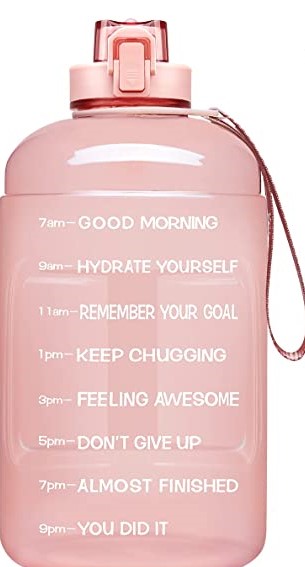
A Large 1 Gallon/128oz Motivational Water Bottle with Time Marker & Measurements is essential to fat loss. Without water, the body cannot properly metabolize stored fat. Water hydrates the body and helps transport those fat deposits out the body due to all the times you will be going to the bathroom.

These Hand, Titanium Coated Golden and Non-Slip Grip Weight Dumbbells will help you build more muscle and release more fat. Strength training is a great way to burn fat and rev up your metabolism. Personal trainers recommend adding it to your routine instead of hours of cardio.
What’s cuter than gold weights? If you have to do it, do it in style, chile!

You will need a Soft Retractable Tape Measure to track all your gains as you watch the inches melt away as your fat cells shrink due to all your fat loss.
Long Story Short
Fat loss is a complex process influenced by many factors, with diet and physical activity being two significant contributors. With a reduced-calorie diet and a regular exercise routine, fat cells shrink over time as their contents are used for energy. This will improve your body composition and health.
Exercise training, regardless of weight loss, provides numerous health benefits. It’s essential to consult your healthcare provider before starting your weight loss journey to prevent any potential adverse side effects.
Everything I discuss here is something I have used to help me. Breathe Chile is a movement to help the world through mindfulness, physical fitness, and positive motivation. I hope you will join me on the journey!
