
Picture it, New Year’s Eve. As the clock struck midnight, millions of people around the world, including myself, made resolutions. It’s a tradition that goes back centuries, a time to reflect on the past year and set goals for the year ahead.
What resolutions did you make? Weight loss, career changes, lifestyle changes? Where are you now with reaching those goals?
As for me, I made a few resolutions that night. Firstly, I decided to prioritize my health and start a journey towards reaching a healthier weight. I committed to regular exercise, mindful eating, and staying hydrated. It hasn’t always been an easy road, but I’ve made considerable progress towards my goals. Small changes in my daily routine, such as walking my dog, or opting for healthier meal options, have helped me stay on track.
For career changes, I set my sights on expanding my skill set and taking on new challenges. I enrolled in online courses and attended workshops to widen my knowledge and improve my professional capabilities. Through hard work and dedication, I was able to acquire new skills that have opened doors to exciting opportunities. I’m proud to say that I’ve made significant strides in my career since making that resolution.
As for lifestyle changes, I aimed to find a better work-life balance. It’s something many of us struggle with in our fast-paced world. I made a conscious effort to prioritize self-care, spending quality time with loved ones, and pursuing hobbies that bring me joy. While it’s not always easy to strike that perfect balance, I’ve made meaningful progress in reclaiming my personal time and finding moments of relaxation and renewal.
Those in the corporate world might be all too familiar with the dreaded mid-year review process. Picture this: a manager, engages in a one-on-one evaluation with employees not once, but twice a year.
It’s like a boxing match, but instead of punches, it’s all about goals. Did you achieve them? Are you a team player? What are you doing for the company? But wait, what if we took this delightful accountability tracking and applied it to our personal lives?
What are New Year’s Resolutions?
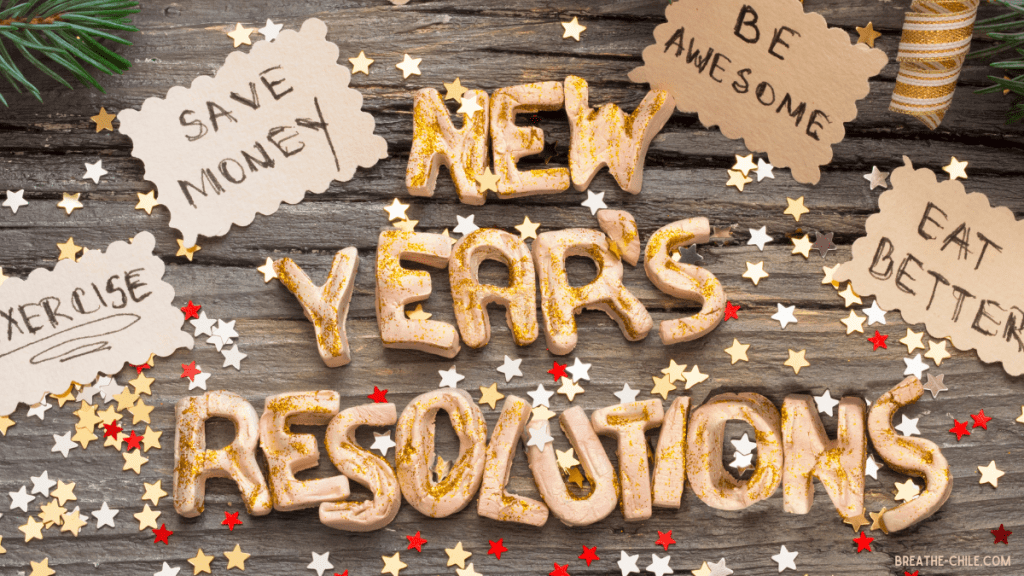
A New Year’s resolution is a decision people make at the beginning of the New Year that they plan to keep for an entire year or more. Some people may decide to stop a habit, start a new one, or accomplish a goal.
Why do we make New Year’s Resolutions?
The New Year comes at a time when people look back at the past year and make an effort to improve themselves as the new year begins. The thought is to leave the “bad” behind in the old year and start the New Year with good intentions. It allows people to hit the proverbial reset button.
Why are New Year’s Resolutions hard to keep?
Of the 45% of Americans who make New Year’s resolutions, only 8% are successful. As it turns out, simply wanting to do something isn’t enough. The brain likes comfort, so it will automatically gravitate to what it already knows how to do, aka “auto-pilot,” if we are not mindful. This is why forming new habits and getting rid of old ones is so hard.
How to keep your New Year’s Resolutions
You don’t have to wait for January 1 to make changes in your life. I decided to start my weight loss journey on September 1, 2020. Random, but it worked. No matter the date you decide to implement your changes, follow the SMART rule to help ensure success:
- Specific – what exactly do you want to accomplish?
- Measurable – how will you know when you meet your goal?
- Achievable – what steps will you take to be successful?
- Realistic – Is it obtainable?
- Time – how long are you giving yourself to achieve the goal?
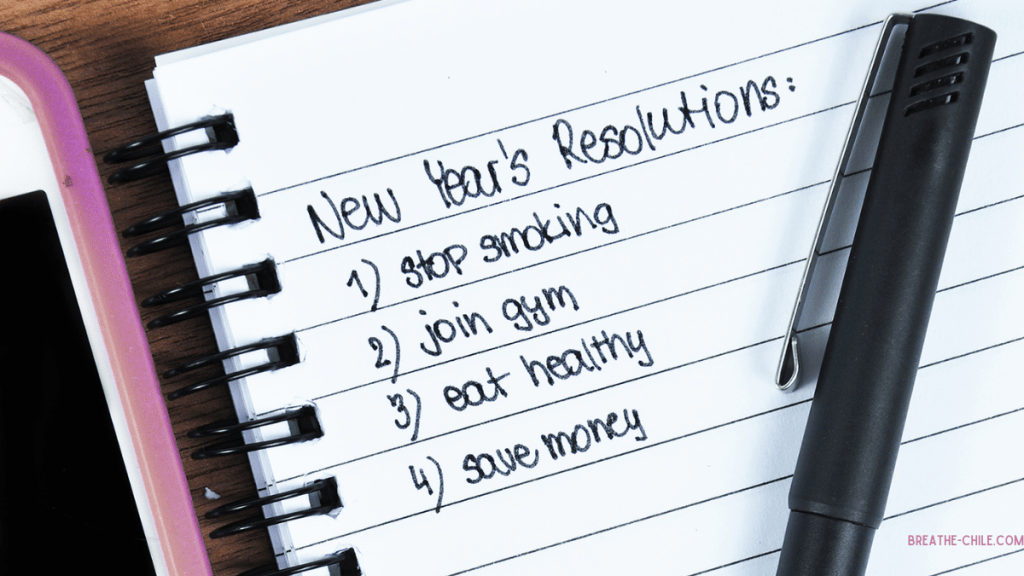
Journaling your goals will allow you to check back in with yourself and reassess where you are. One of my goals this year was to work out 6 days a week. First of all, I forgot I even wrote that, but it gave me a chance to either reassess my ultimate goal of reaching a healthy body mass index (BMI – i.e., weight per height) or try something else to reach my goal.

The brain is hard-wired to run on autopilot, so it likes to continue to do things it is already doing. Habits develop when good or enjoyable events trigger the brain’s “reward” centers. That is why breaking old habits and starting new ones is so hard.
Follow the process to form a new tradition and be persistent with the things you really want in life. One approach is to focus on becoming more aware of your unhealthy habits and then develop strategies to counteract them. Habits may be hard to change and form, but they can be done. Get help from friends, co-workers, and family for extra support.

Accountability is accepting responsibility for one’s actions and is the only way to make meaningful changes in life. Check-in regularly with yourself so that you can celebrate your successes and reevaluate your misses.
Reflecting on these resolutions, I am filled with a sense of accomplishment and gratitude. While I may not have achieved all my goals perfectly, the journey towards self-improvement has been rewarding in itself. It’s important to remember that resolutions are not set in stone, and that progress is more important than perfection. So, whether you’ve fully reached your New Year’s goals or not, it’s essential to celebrate the efforts you’ve made and the growth you’ve experienced along the way. Cheers to progress and the continuous pursuit of a better self!

4 Responses