
This post contains affiliate links. This means if you make a purchase using these links, I may receive a commission at no extra charge to you. Thank you for supporting Breathe Chile.
Being able to grow your own food can be a rewarding experience because you get to eat what you grow and literally eat the fruits of your labor.
If you follow these tips, your kitchen will be stocked with a hearty harvest from your garden. Before you know it, you’ll cut back on grocery bills and live a healthy lifestyle. If you’re a beginner, we have your back with some essential tips to get started.
Grow your Own Food 101
Growing your own food may seem scary, but it doesn’t have to be. Gardening can be as simple as having a small herb garden on your windowsill or a few pots of cherry tomato plants on your patio. Taking care of your plants by watering, weeding, and harvesting will reward you with fresh, home-grown food.
To start gardening, you just need a garden plan. Luckily, we have a step-by-step guide to help you go from zero to a thriving garden plot. Take some time this winter to map out your plan; by the spring garden season, you’ll have an abundance of vegetables or a collection of herbs, depending on your preference.
Benefits of Growing Your Own Food
- You have the control: When you grow your own food, you have control over the types of fertilizers and pesticides used. By choosing organic methods, you can ensure that your vegetables are free from harmful chemicals and packed with essential nutrients, resulting in healthier and more nutritious produce for you and your family.
- It’s part of a healthy lifestyle: Research shows that people who grow their own food tend to eat more fruits and vegetables. The convenience of having a bountiful garden just outside your door encourages you to incorporate these nutritious foods into your daily meals, leading to a higher intake of vitamins, minerals, and antioxidants.
- Improved mental and physical well-being: Gardening has been linked to reduced stress levels and improved overall mental well-being. Spending time outdoors, tending to plants, and connecting with nature can have a soothing effect, boost mood, and even help alleviate symptoms of anxiety and depression. Also, gardening involves physical activity, which is beneficial for cardiovascular health, muscle strength, and flexibility.
- Access to fresh and flavorful produce: When you grow your own food, you can harvest fruits and vegetables at their peak ripeness. The flavor and freshness of homegrown produce are outstanding, as you can enjoy them at their optimum taste. The act of plucking a ripe tomato or picking ripe strawberries from the vine and savoring them immediately is a satisfying experience that grocery store-bought produce often can’t duplicate.
- Cost savings: Growing your own food can help reduce your food bills. While there are initial investments in tools, seed starting, and plant food, in the long run, you can save money by growing your own vegetables, herbs, and fruits. The more you grow, the more you can store, freeze, or preserve for later use, further reducing your reliance on store-bought alternatives.
- Environmental impact: Growing your own food contributes to a more sustainable and eco-friendly lifestyle. Growing your own produce reduces the carbon footprint associated with transporting, packaging, and storing store-bought food. Furthermore, practicing organic gardening techniques can support biodiversity and protect valuable pollinators like bees and butterflies.
So, whether you have a small plot of land, a balcony garden, or even a few pots on a sunny windowsill, growing your own food can offer a wealth of health benefits for your body and mind.
What does it mean to grow your own food?
Starting something new can feel overwhelming. And even though you have the best intentions, the overwhelming feeling can make you want to hide under a pile of cozy blankets and binge-watch your favorite show instead. But fear not! At Breathe Chile, we’ve got your back.
If you have been following Breathe-Chile.com, you have joined me on a journey to a healthier lifestyle. Along the way, I have discovered holistic practices and experiences that have improved my well-being. I am excited to share these insights with the community.
As I start my gardening journey, I promise to share my experiences on Breathe-Chile.com. Together, we can explore the wonders of gardening and inspire each other to live a greener, healthier life. Stay tuned for more exciting possibilities on this journey.

Tips to Grow Your Own Food
Start small: It’s important not to overwhelm yourself when starting a garden. Begin with a few easy-to-grow plants like tomatoes or herbs. As you gain confidence and experience, you can expand your garden.
Understand growing seasons: Different plants have different growing seasons. Research and familiarize yourself with the ideal time to plant each type of vegetable or fruit in your specific region. This will greatly increase the chances of a successful harvest.
Consider raised beds: Raised beds offer several advantages for growing your own food. They provide better drainage, improve soil quality, and make it easier to control pests and weeds. Additionally, raised beds can be customized to meet your specific gardening needs.
Choose the right spot: Ensure that your vegetable garden receives ample sunlight throughout the day. Most fruits and vegetables require at least six to eight hours of sun exposure to grow healthy and produce abundant crops.
Prepare the soil: A nutrient-rich soil is essential for the optimum growth of plants. Before planting, amend your soil with compost or well-rotted manure to improve its fertility. Additionally, using good quality potting soil for container gardening can greatly benefit the plants.
Watering and care: Establish a regular watering routine for your plants, not over or under-watering them. Mulching around the plants can help retain moisture and suppress weed growth. Regularly inspect your plants for signs of pests or diseases, and take necessary measures to address them promptly.
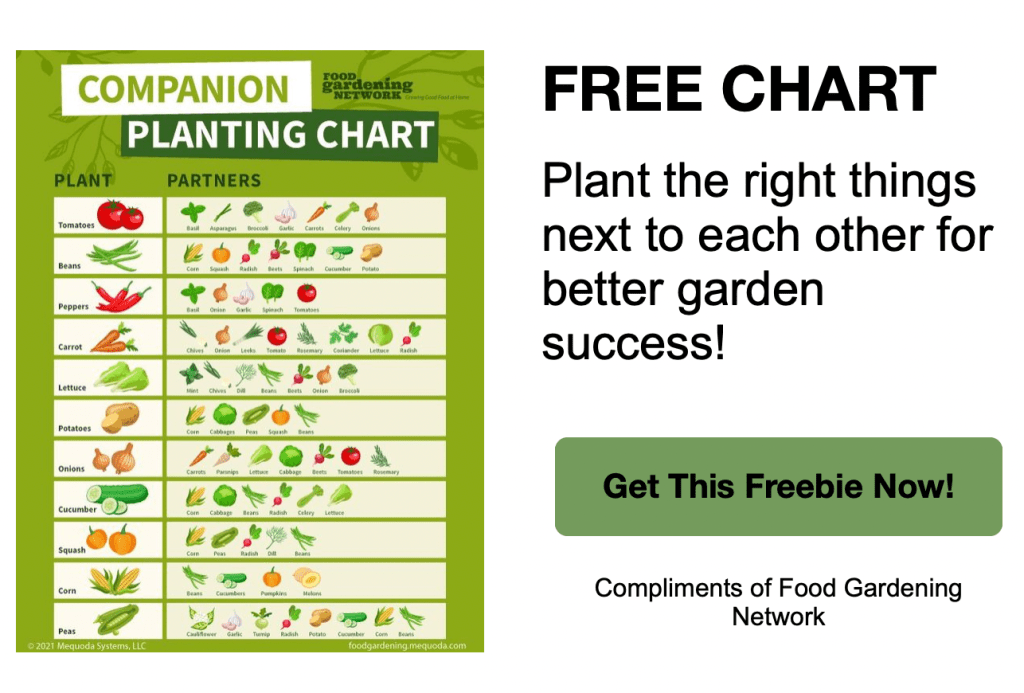
Choose the right plants: Consider your personal preferences and the space available before choosing the plants for your garden. Focus on growing vegetables and fruits you enjoy eating and thrive in your climate. Download your FREE Printable Companion Planting Chart
Planting techniques: When planting vegetables, herbs, or fruits, pay attention to their specific planting requirements. Some plants may need to be planted at different depths or spaced at specific intervals to encourage proper root growth and maximize yields.
Take advantage of vine plants: Incorporate vine plants, such as cucumbers, squash, or beans, into your garden. They can be trained to grow on trellises or other supports, maximizing your available growing space while providing a beautiful vertical element to your garden.
Buying plants vs. seeds: While buying plant starts from a nursery can be convenient, starting plants from seeds allows for a wider variety of choices and can be more cost-effective. Experiment with both methods to find what works best for you.

Remember, growing your own food is a wonderful and rewarding experience. It allows you to enjoy the freshness and taste of homegrown fruits and vegetables while also learning new things.
Welcome the process of planting seeds, caring for your plants, and watching them grow. Don’t be discouraged by challenges, as they help you learn and improve your gardening skills.
Gardening also provides a special connection with nature, letting you appreciate the beauty of plants and the miracles of life. Don’t forget about the delicious flavors of homegrown produce packed with nutrients. Enjoy the journey of growing your own food and celebrate the joys of gardening!

One Response